Ask anyone when to visit Southeast Asia, and you’ll likely get a simple, confident answer: “the dry season.” And they’re not wrong, but they’re not entirely right, either. After multiple trips crisscrossing Thailand, Vietnam, Cambodia, and Indonesia, I’ve learned that the “best” time is less about a fixed date on a calendar and more about what kind of experience you’re looking for.
Some of my best memories—and best bargains—were found under the threat of a little rain. Forget the simple answers. Let’s talk about the real seasons of Southeast Asia, based on my on-the-ground experience.
Quick Guide: When to Go Where in Southeast Asia
For those in a hurry, here’s a quick-glance guide I wish I’d had on my first trip. I’ve designed it to be easy to read on any device.
☀️ Jan – May (South)
Understanding Southeast Asia’s Travel Seasons (My Way)
The region is generally split into two main weather patterns: the mainland (Thailand, Cambodia, Laos, Vietnam) and the maritime region (Indonesia, Malaysia, Philippines). This is the key to getting it right. But within the main seasons, there are nuances.
The “Cool” Dry Season (November – March): The Best for Most
This is peak season for a reason. For most of the mainland, these months bring comfortable temperatures, lower humidity, and endless blue skies.
I traveled through northern Thailand and Cambodia in January and February, and the climate was perfect. Exploring the sprawling temples of Angkor Wat from sunrise to sunset was a joy because the heat wasn’t suffocating. You can hike, visit cities, explore the incredible night market food, or lie on a beach without constantly feeling like you need another shower. The downside? Everyone knows this is the best time, so be prepared for crowds and peak-season pricing.
The Hot & Rainy Season (May – October): Is It Really a Bad Idea?
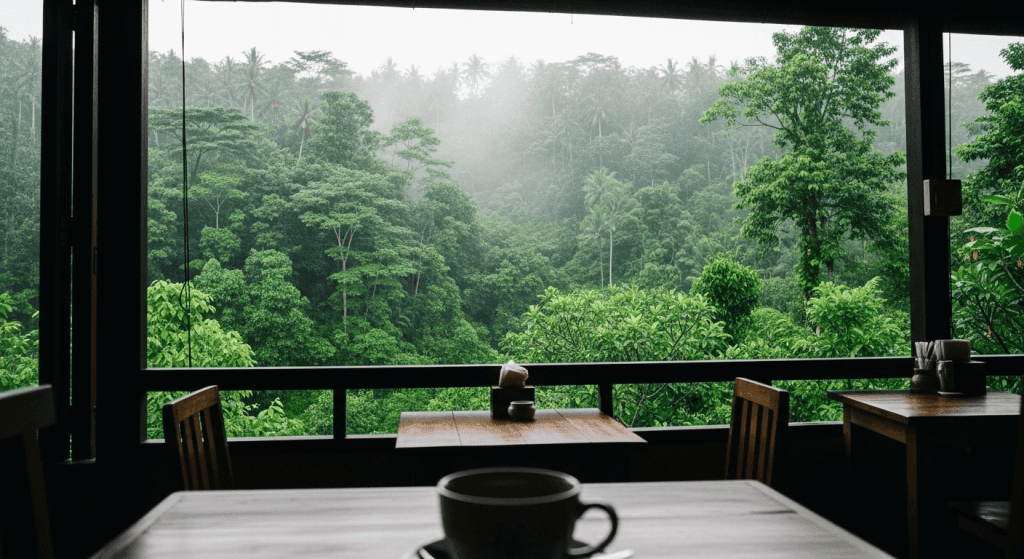
Many travelers avoid the monsoon season, but I’ve found it can be magical. You just have to know what you’re signing up for. The term “rainy season” can be misleading.
My anecdote comes from two different trips. One year in Bali during January (their monsoon season), it rained almost daily, but only in short, intense bursts in the afternoon. The mornings were clear, the landscapes were incredibly lush and green, the waterfalls were roaring, and there were far fewer tourists. On the other hand, I was once caught in a powerful monsoon on an island in southern Thailand where we were stuck in a restaurant for two days, watching the street turn into a river. The lesson? The monsoon is unpredictable. In some places, it’s a brief daily shower; in others, it can shut things down.
The “Shoulder” Season: My Personal Favorite for Fewer Crowds & Better Prices
If your dates are flexible, aim for the shoulder months: April-May and October-November. This, in my opinion, is the secret sweet spot.
I once visited Thailand in October and experienced the best of both worlds. The heavy rains had mostly passed, but the peak season crowds hadn’t yet arrived. The landscapes were still vibrant from the rain, and prices for flights and hotels were noticeably lower. You might get a few sporadic showers, but you’ll trade them for a much more relaxed and affordable travel experience.
A Country-by-Country Breakdown: My Field Notes
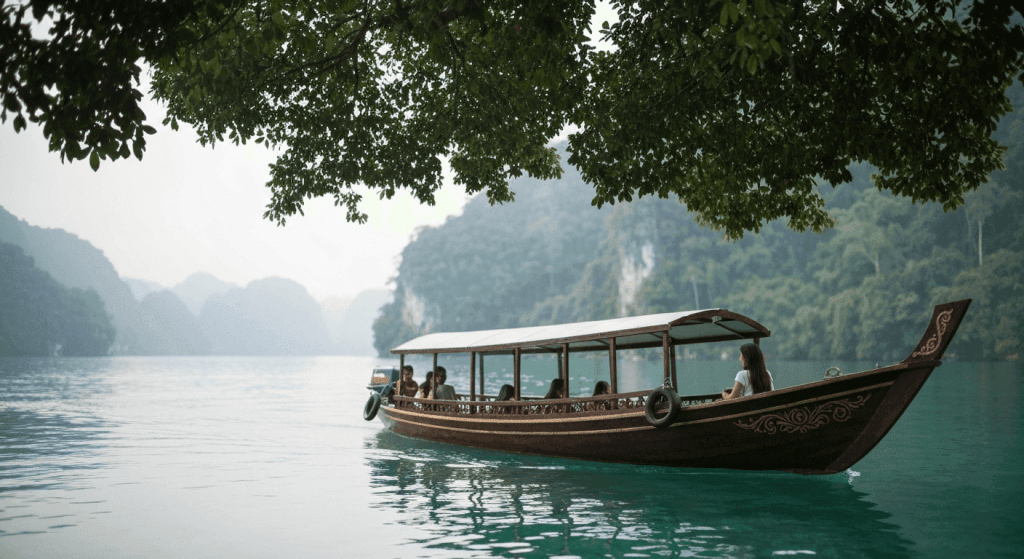
Thailand: Beyond the Postcards
Stick to November to March. If you’re visiting the Gulf coast islands (like Koh Samui), they have their own microclimate, with a rainy season from October to December.
The capital is a whirlwind of sights and sounds, but its real heart beats on the streets. Exploring the Bangkok street food scene is an adventure in itself.
Vietnam: A Country of Two Climates
It’s long and thin, so the weather varies dramatically.
- North (Hanoi, Ha Long Bay): Go from September to December. It can get surprisingly cold in January and February, especially in the mountains of Sapa.
- Central (Hoi An, Da Nang): February to May is best. Avoid the typhoon season from October to November.
- South (Ho Chi Minh City): December to April is the dry season and the most pleasant time.
Cambodia: All About the Temples
November to February is your window. The heat from March to May can be absolutely brutal, making temple exploration exhausting.
Indonesia & Malaysia: Navigating the Islands
Their weather is the reverse of the mainland. The dry season runs from April to October, making it a fantastic destination when the rest of SEA is rainy. Malaysia is a bit tricky; the west and east coasts have different monsoon seasons, so check your specific destination.
Laos & Myanmar: Off the Beaten Path
Like their neighbors Thailand and Cambodia, the best time to visit is during the dry and cooler period from November to February.
Related posts:
![10 Hidden Gems in Southeast Asia (2025 Guide)]()
10 Hidden Gems in Southeast Asia (2025 Guide)
![Southeast Asian Desserts: Must-Try Sweets by Country]()
Southeast Asian Desserts: Must-Try Sweets by Country
![My Hunt for the Best Night Market Food in Southeast Asia: A First-Hand Guide]()
My Hunt for the Best Night Market Food in Southeast Asia: A First-Hand Guide
![Best Travel Apps for Southeast Asia: Must-Have Tools for 2025]()
Best Travel Apps for Southeast Asia: Must-Have Tools for 2025
![Havana Hidden Gems: My Guide to Finding the Real, Authentic Cuba]()
Havana Hidden Gems: My Guide to Finding the Real, Authentic Cuba
![10 Must-Try Balinese Foods: A Beginner's Food Guide (2025)]()
10 Must-Try Balinese Foods: A Beginner's Food Guide (2025)





Planning Around Festivals? What I Learned the Hard Way
Traveling during a major festival is an incredible way to experience the local culture, but it requires serious advance planning.
Songkran (Thailand): The World’s Biggest Water Fight
Held from April 13-15, this is the Thai New Year. In cities like Chiang Mai and Bangkok, it’s a massive, joyous water fight. It’s incredibly fun, but expect transport chaos and to be drenched the moment you step outside. My advice: Book accommodation months ahead and invest in a quality waterproof bag for your phone and passport.
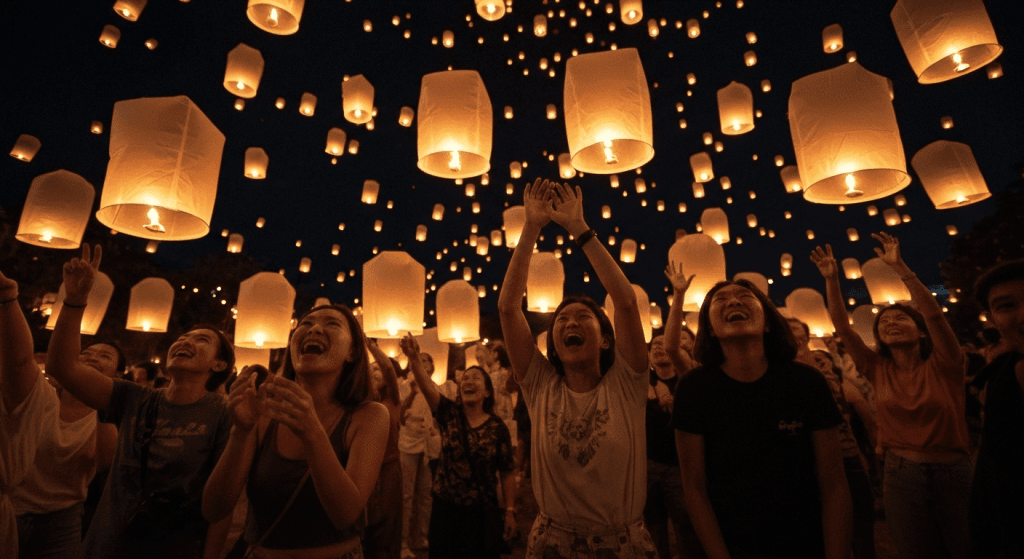
Yi Peng & Loy Krathong (Thailand): A Sky Full of Lanterns
In Chiang Mai during the full moon of November, you’ll witness one of the most beautiful sights of your life as thousands of lanterns float into the sky. It’s breathtaking but also draws immense crowds. If you’re there for the photos, it’s worth it. If you hate crowds, consider experiencing it in a smaller town.
Tết (Vietnam): A Beautiful but Complicated Time to Travel
Tết is the Vietnamese New Year (late January or early February) and is the most important holiday. Cities are decorated, but many businesses, restaurants, and tour operators shut down for a week as people travel home. If you want to witness the celebrations, book everything—flights, trains, hotels—far in advance. Otherwise, it’s best to avoid these dates.
A Traveler’s Guide to Crowds & Costs by Season
- Peak Season (Dec-Jan, July-Aug): Expect flight and hotel prices to be double or even triple. Popular spots like the Thai islands or Angkor Wat will be packed. Book everything well in advance.
- Low Season (Roughly May-Sep on the mainland): This is when you’ll find the best deals. Accommodation and tours are heavily discounted. It’s the perfect time if you’re on a budget and seeking a quieter, more local experience.
- Shoulder Season (Apr-May, Oct-Nov): The perfect balance. You’ll find good deals, fewer people, and generally pleasant weather. It’s the best time to negotiate prices.
My Final Verdict: So, When Should You Actually Go?
If I had to recommend two months for a first-time, hassle-free trip covering the mainland, it would be November or February. You get fantastic weather and miss the absolute peak chaos of the Christmas and New Year holidays.
But if you’re looking for the perfect blend of good weather, lower prices, and fewer people, take my advice and travel during the shoulder season in late October or May. You might have to dodge a rain shower or two, but the trade-off is more than worth it.
Frequently Asked Questions (FAQs)
What is the rainiest month in Southeast Asia?
It varies, but for mainland Southeast Asia (Thailand, Cambodia, Vietnam), September is often the wettest month. For Indonesia and Malaysia, the rainiest months are typically between November and January.
Is it worth visiting Southeast Asia during the rainy season?
Absolutely, if you’re prepared. You’ll enjoy lush landscapes, fewer tourists, and much lower prices. Just pack a light raincoat, be flexible with your plans, and schedule outdoor activities for the mornings.
What is the absolute cheapest time to visit Southeast Asia?
Generally, during the low/rainy season. For the mainland, this would be from May to September. You can find significant discounts on flights and accommodation.
Which countries are best to visit during the summer months (June-August)?
Indonesia (Bali, Lombok, Gili Islands), and the east coast of Malaysia are in their prime dry season, making them perfect summer getaway destinations.
What should I pack for Southeast Asia’s different seasons?
For the dry season, light clothes, sunscreen, and a hat are essential. For the rainy season, add a lightweight waterproof jacket, quick-dry shoes, and mosquito repellent. Always pack a light sweater or jacket for aggressive air-conditioning and cooler evenings in northern regions.
Related posts:
![10 Hidden Gems in Southeast Asia (2025 Guide)]()
10 Hidden Gems in Southeast Asia (2025 Guide)
![Avoid Tourist Traps & Scams in Southeast Asia (2025 Guide)]()
Avoid Tourist Traps & Scams in Southeast Asia (2025 Guide)
![Best Travel Apps for Southeast Asia: Must-Have Tools for 2025]()
Best Travel Apps for Southeast Asia: Must-Have Tools for 2025
![Southeast Asian Desserts: Must-Try Sweets by Country]()
Southeast Asian Desserts: Must-Try Sweets by Country
![Best Sunset Spots in Havana: Malecón, El Morro & Rooftops]()
Best Sunset Spots in Havana: Malecón, El Morro & Rooftops
![Havana Hidden Gems: My Guide to Finding the Real, Authentic Cuba]()
Havana Hidden Gems: My Guide to Finding the Real, Authentic Cuba
![The Ultimate Southeast Asia Travel Guide: A First-Hand Itinerary for Backpackers]()
The Ultimate Southeast Asia Travel Guide: A First-Hand Itinerary for Backpackers
![10 Must-Try Balinese Foods: A Beginner's Food Guide (2025)]()
10 Must-Try Balinese Foods: A Beginner's Food Guide (2025)


Leave a Reply to Southeast Asia Travel Guide: A Backpacker's Itinerary (2025)Cancel reply