When you think of Cuba, what comes to mind? For many, it’s a vibrant snapshot of salsa music 💃 echoing through colorful streets, classic 1950s cars 🚗, and the rich aroma of cigars. While these images hold a piece of the truth, they are just single brushstrokes on a much larger and more complex canvas. The reality of Cuban culture, both on the island and abroad, is often obscured by a thick fog of common Cuban stereotypes and misconceptions.
I’ve spent a lot of time navigating these ideas, and I’ve found that the most meaningful connections come from looking past the clichés. Let’s break down some of these persistent ideas, not to dismiss them entirely, but to understand the history and context that give them life, and to reveal a clearer picture of what it means to be Cuban. 🇨🇺
If you’re planning to visit, make the most of your time with our tips for your trip to Cuba.
The Myth of the Monolith: Why Cuban Culture is More Diverse Than You Think
One of the biggest myths about Cubans is that they are all the same. This couldn’t be further from the truth. The “Cuban experience” is not a single story; it’s an anthology of millions of different lives, shaped by geography, history, and personal circumstance.
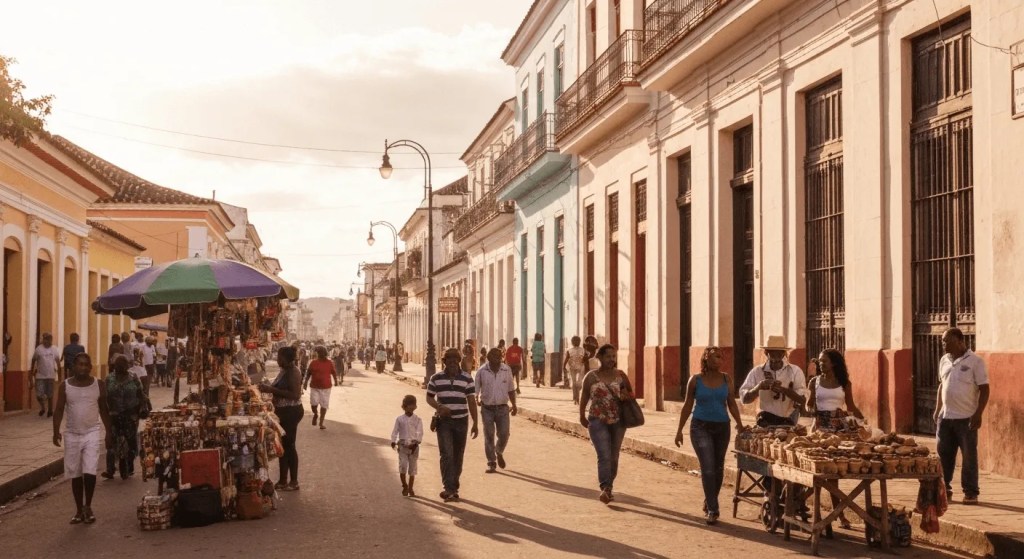
- 🏝️ On the Island vs. The Diaspora: First, it’s crucial to distinguish between Cubans living on the island and the Cuban diaspora, particularly in places like Miami. The stereotype of the loud, politically conservative, and business-savvy “Miami Cuban” is a world away from the daily reality of someone in Havana. Their experiences, political views, and even their accents can be vastly different.
- 🌍 🌍 A Melting Pot of Influences: Cuban culture is a rich ajiaco (a traditional stew), a blend of Spanish, African, and Caribbean influences that you can taste in the most popular food in Cuba.
Cultural Stereotypes: Passion, Cigars, and Classic Cars
These are the “postcard” stereotypes—the images that have become synonymous with Cuba. But like any postcard, they only show one carefully selected view. Let’s put them side-by-side with reality.
| Stereotype | Reality |
|---|---|
| 💃 The Passionate Cuban: All Cubans are loud, overly expressive, and always ready to party. | This is rooted in a vibrant cultural scene where music and dance are vital forms of expression and release. In my experience, the energy is contagious, but it’s a celebration of life, not a lack of seriousness. |
| 💨 The Cigar Aficionado: Everyone in Cuba smokes big cigars all day long. | While Cuba produces the world’s best cigars, they are a luxury item or an export product for most. It’s far from a universal daily habit. |
| 🚗 The Classic Car Lover: Cubans drive old cars because they love vintage style. | This is a symbol of incredible resourcefulness born from necessity due to the embargo. Keeping these cars running is a masterclass in ingenuity. This adaptability is a testament to their spirit. |

Social and Personal Stereotypes: From Machismo to Family Values
Moving beyond the visual clichés, let’s explore some of the deeper preconceptions about the Cuban personality and society.
Related posts:




Deconstructing Machismo: A Culture in Evolution
The stereotype of machismo (dominant, chauvinistic men) has historical roots, but it’s a mistake to see it as a static trait. I’ve found it essential to recognize that many are moving towards more balanced gender roles. Especially among younger generations, the culture is evolving.
“You cannot understand Cuban history without understanding the role of memory and imagination… The Cuba that people visit is not the Cuba that Cubans live in.”
— Carlos Eire, Cuban-American historian and authorThe Heart of the Culture: Loyalty and Strong Family Bonds ❤️
Cuban people are often viewed as incredibly romantic and loyal. This perception, I believe, stems directly from the strong family bonds that are the pillar of their society. Large family gatherings aren’t just parties; they are vital rituals that reinforce the importance of relationships and community.

A Matter of Perspective: Understanding Blame and Resilience 💪
There’s a nuanced stereotype that Cubans can be quick to blame external factors. While this can be observed, I think it’s crucial to approach it with empathy and an understanding of the cultural context. For decades, many aspects of daily life have been outside of an individual’s control. This fosters a mindset where resilience is key, and external forces are rightly seen as major drivers of outcomes.
Breaking Down Preconceptions Before You Visit ✅
Understanding these myths is key to a richer travel experience, and part of that is knowing what to expect on the ground. For anyone planning a trip, here’s an honest guide on if Cuba is safe to travel to in 2025.
- Go with an open mind. Ask questions respectfully.
- Show genuine interest. You’ll be rewarded with genuine connection.
- Look beyond the postcard and discover the real island. Don’t assume the person you’re speaking to embodies any stereotype.
So, what should you really expect? Expect warmth, pride, and an incredible spirit. Expect people eager to share their culture. …In short, expect to meet complex human beings, not walking clichés. The best way to do that is by exploring the places they cherish, so be sure to check out these Havana hidden gems for an authentic experience.
Frequently Asked Questions about Cuban Stereotypes
Are all Cubans communists?
No. The Cuban government is communist, but the political views of the people are diverse and complex, ranging from staunch support to passionate opposition and everything in between.
What is the biggest myth about Cuban people?
The biggest myth is that they are a monolith. The reality is a rich tapestry of different experiences, beliefs, and identities, shaped by where they live, their family history, and their personal journey.
Leave a Reply