7 Things You Should NEVER Do in Cuba (An Insider’s Guide)
Planning a trip to Cuba is exciting. You’re dreaming of classic cars, vibrant music, and stunning beaches. But as a Cuban, I can tell you that the postcard version of my country is only half the story. Many travelers, even experienced ones, make the same mistakes that can turn a dream trip into a frustrating ordeal.
Forget the generic advice you’ve read elsewhere. This is a real-deal guide to help you navigate Cuba smoothly. I’m sharing the things I tell my own friends never to do. Trust me, avoiding these seven pitfalls will make all the difference.
1. Drink Tap Water (Not Even Once)
This might sound obvious, but you’d be surprised how many tourists think, “Just a little can’t hurt,” especially when brushing their teeth or having ice in their drink. Let me be perfectly clear: do not drink the tap water in Cuba under any circumstances. The water treatment systems are not reliable, and the last thing you want is to spend your vacation dealing with a nasty stomach bug.
Some hotels might claim their water is filtered, but it’s a risk I would never take. The solution is simple and non-negotiable.

Why Bottled Water is Your Only Safe Bet
From the moment you land, make buying sealed, bottled water your top priority. You can find it in state-run stores or at your private rental home, which is known locally as a casa particular. When you’re at a restaurant or bar, always specify you want bottled water and ensure the seal is intact when it arrives. It’s a small extra cost for guaranteed peace of mind. In my case, it’s the first rule I follow, no matter where I am on the island.
2. Exchange Your Money at a Bank or Airport CADECA
This is probably the biggest financial mistake you can make. The official exchange rate offered by the government at banks and official exchange houses is significantly worse than what you can get on the informal market. If you exchange officially, you are essentially losing a huge chunk of your money’s value before you even spend it.
For years, Cubans and knowledgeable travelers have relied on the informal market. It might sound intimidating, but it’s the standard way of getting a fair rate for your Euros or Dollars.
The Informal Market: How It Works and Where to Check the Real Rate
The informal market isn’t a physical place; it’s just exchanging cash with trusted individuals, often facilitated by the owner of your rental home (casa particular). They can help you exchange money safely at the real street rate.
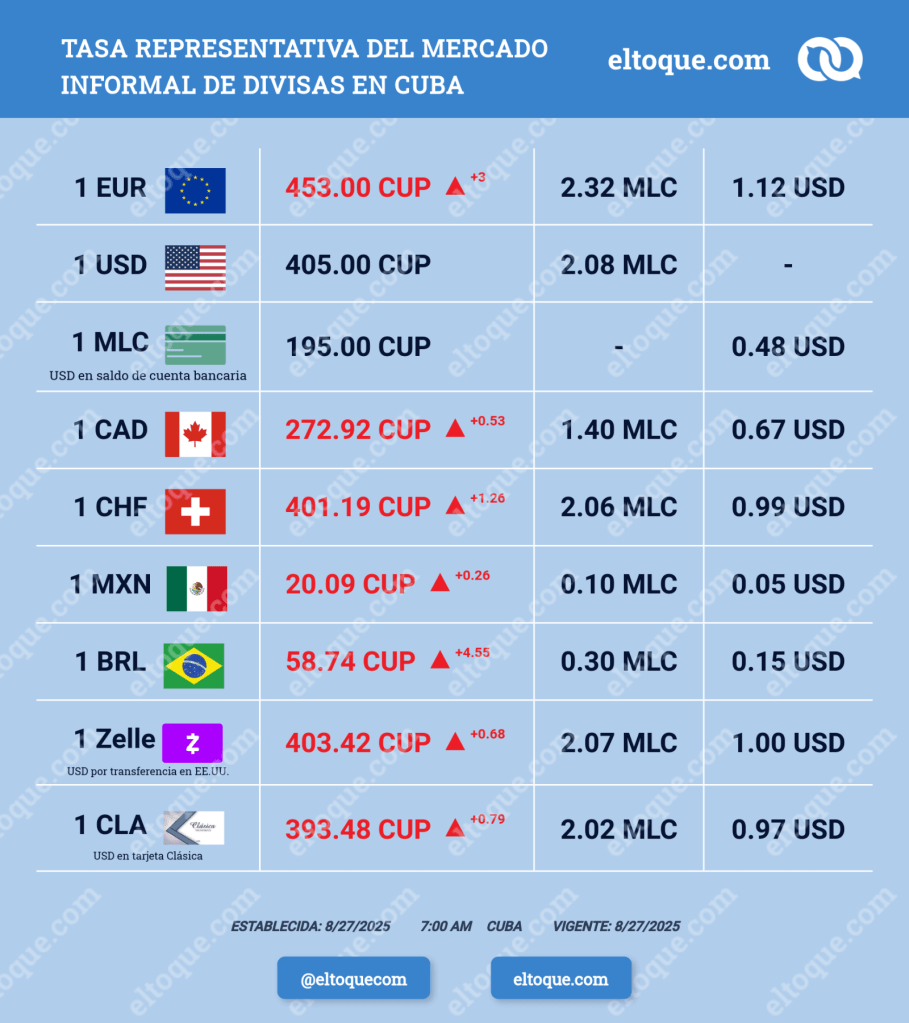
My Pro Tip: Use the “El Toque” Website as Your Guide
So, how do you know the fair rate? This is the insider trick. Before and during your trip, check the independent news outlet El Toque. They publish the daily informal exchange rates for the Euro, Dollar, and MLC (the local digital currency). This is the rate everyone on the street uses as a benchmark. Knowing this number prevents you from getting ripped off and ensures you get the most value for your money.
3. Ignore Blackouts When Choosing Your Accommodation
Power outages, or “apagones” as they are called locally, are a part of daily life in Cuba. They can last for hours and are especially common outside the main tourist hubs of Havana. Imagine coming back to your room after a hot day of exploring to find no air conditioning, no fan, and no way to charge your phone.
This isn’t just a minor inconvenience; it can seriously impact the quality of your trip. But you can plan for it.

The Key Detail: Always Ask for a Generator
When booking your accommodation—whether it’s a hotel, a hostel, or a private rental—make it a priority to ask if they have a generator. The local term is planta eléctrica, and having one is a lifesaver. It means that when the neighborhood goes dark, your lights, AC, and outlets will stay on. Confirming this one detail before you book can be the difference between a comfortable stay and a miserable one.
4. Assume You Can Easily Get Internet Access
While internet access in Cuba has improved, it’s nothing like what you’re used to. You can buy WiFi cards to use in public parks or get a tourist SIM card at the airport, but there’s a huge catch that most guides don’t mention.
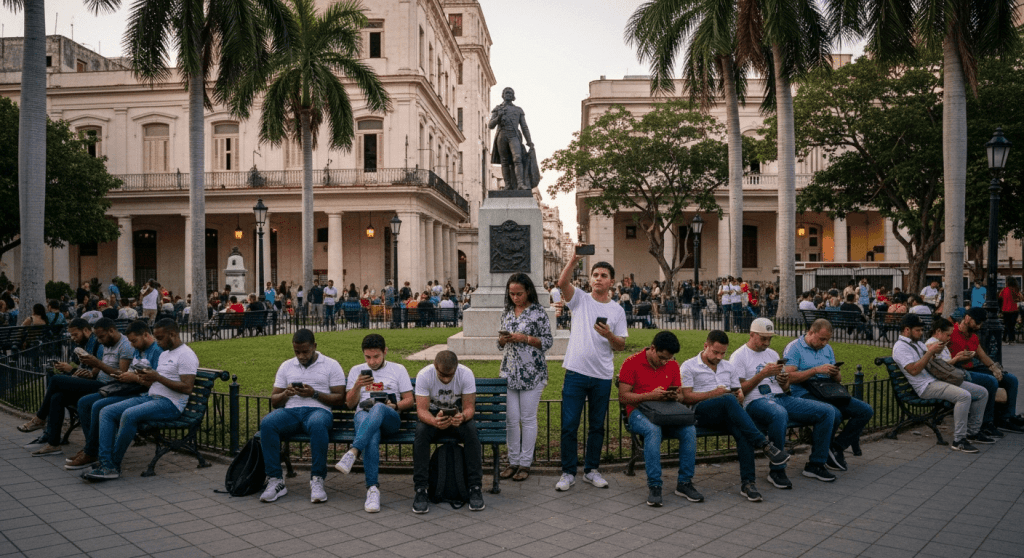
The Tourist Trap: Thinking You Can Top Up Your Data Plan Anytime
Here’s a critical piece of advice from my own experience: if you buy a tourist SIM card, top it up with the biggest data plan you can afford right from the start. The official policy often only allows you to recharge the plan once a month. If you run out of data halfway through your trip, you may not be able to add more. Or, if you find a way around it, you’ll be charged exorbitant rates. Buy a big data package upfront and use it wisely.
5. Speak Openly About Politics (The Walls Have Ears)
This is a sensitive topic. While Cubans are generally warm and open, engaging in conversations critical of the government is a serious mistake. You might think you’re in a private conversation, but you never know who is listening.
This isn’t about being polite; it’s about your safety and the safety of the Cubans you’re speaking with.

The Real Consequences Are More Than Just an Awkward Moment
For a tourist, speaking out against the government can get you flagged and put on a blacklist, preventing you from re-entering Cuba in the future. In more extreme cases, it could lead to questioning by authorities. For the Cuban you’re talking to, the consequences can be far worse. When I’m there, I’m extremely careful with my words. I strongly advise you to avoid the topic entirely and stick to conversations about culture, music, and daily life.
6. Walk Alone Down Dark or Empty Streets at Night
While Cuba is generally safer than many other countries in the region, petty crime does exist, especially in larger cities like Havana. Most issues happen when tourists put themselves in vulnerable situations.

Simple Safety Rules That Will Save You a World of Trouble
Common sense is your best defense. Avoid walking by yourself late at night, especially in poorly lit areas away from the main tourist streets. Robberies and muggings, while not rampant, do happen. Stick to well-populated areas, don’t flash expensive jewelry or electronics, and always be aware of your surroundings. If you’re out late, take an official taxi back to your accommodation instead of walking.
7. Eat at Any Street Stall Without Doing Your Homework
Cuban food can be incredible, but it can also be a gamble if you don’t know where to go. While some street food stalls are fantastic, others lack the refrigeration and hygiene standards you might be accustomed to, which is a recipe for getting sick.
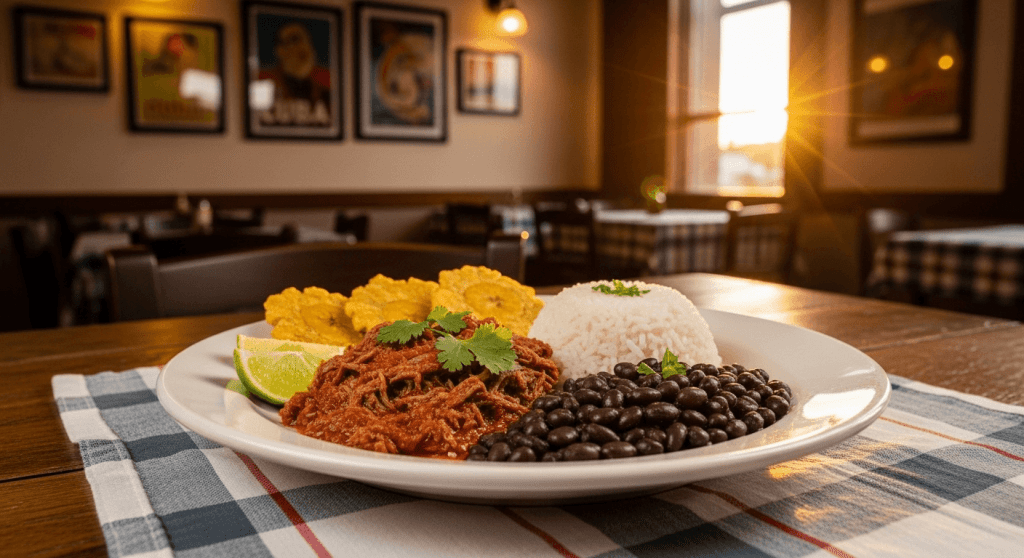
Private Restaurants and Reviews: Your Best Filter for Safe, Delicious Food
Your best bet for a great meal is a privately-owned restaurant, known locally as a paladar. These are often run out of a family’s home, and the quality and hygiene are generally much higher. Before you eat somewhere, do a quick check for online reviews on Google Maps or other travel sites. Asking the owner of your rental home for recommendations is also a fantastic way to find hidden gems where you can enjoy authentic, delicious, and safe Cuban cuisine.
Final Thoughts: Enjoy Cuba by Avoiding These Rookie Mistakes
Cuba is a complex, beautiful, and rewarding country to visit. By keeping these seven things in mind, you’re not just avoiding problems—you’re preparing yourself to have a more authentic, respectful, and incredible experience. You’ll be traveling smarter, safer, and with the confidence of an insider.
Over to You! Have you been to Cuba? What other tips would you add to this list? Share your own experiences in the comments below – I’d love to read them!
Frequently Asked Questions About What Not to Do in Cuba
Is Cuba safe for American tourists?
Yes, Cuba is generally very safe for American tourists. The political tensions between the governments do not typically affect interactions with everyday Cubans, who are often welcoming. Just follow standard safety precautions and avoid discussing politics.
For the latest official travel advisories, it’s always a good idea to check the U.S. Department of State travel page for Cuba.
What currency should I bring to Cuba?
Bring Euros if you can. While US Dollars are widely accepted on the informal market, they sometimes come with a slightly less favorable exchange rate or a “penalty” due to historical tensions. Euros are a safe bet for getting the best value. Always bring cash, as US credit and debit cards do not work in Cuba.
Can I take photos freely everywhere?
Mostly, yes. However, it is strictly forbidden to take pictures of military personnel, police officers, and government buildings like airports or military installations. Doing so can get you into serious trouble. If you want to take a portrait of a local, it’s always polite to ask for permission first.
Related posts:
![How to Handle Money and Internet in Cuba: A No-Nonsense Guide From the Inside]()
How to Handle Money and Internet in Cuba: A No-Nonsense Guide From the Inside
![Havana Hidden Gems: My Guide to Finding the Real, Authentic Cuba]()
Havana Hidden Gems: My Guide to Finding the Real, Authentic Cuba
![Ultimate Havana Travel Guide: Experience the Soul of Cuba Like a Local]()
Ultimate Havana Travel Guide: Experience the Soul of Cuba Like a Local
![Best Sunset Spots in Havana: Malecón, El Morro & Rooftops]()
Best Sunset Spots in Havana: Malecón, El Morro & Rooftops
![Cuba Packing List (2025): Your Essential Guide]()
Cuba Packing List (2025): Your Essential Guide
![Is Cuba Safe to Travel to in 2025? The Unfiltered Truth You Need to Know]()
Is Cuba Safe to Travel to in 2025? The Unfiltered Truth You Need to Know
![Beyond the Clichés: Unpacking Common Cuban Stereotypes 🤔]()
Beyond the Clichés: Unpacking Common Cuban Stereotypes 🤔
![Cuban Food: Most Popular Dishes (A Cuban’s Take)]()
Cuban Food: Most Popular Dishes (A Cuban’s Take)







Leave a Reply