If you love cities waking up in slow motion—woks firing, kettles hissing, scooters threading through alleys—Southeast Asia will ruin you (in the best way). Breakfast here isn’t a meal; it’s a daily orientation ritual. And while I’m all for a photogenic latte, my mornings in this region were defined by tiny stools, metal bowls, and the unhurried choreography of street life.
How Mornings Unfold Across Southeast Asia
By 6:00 a.m., markets are already in third gear. Vendors stack herbs like emerald fans, steam bellies fog glass, and the smell of fried shallots floats above the crowd. In Hanoi’s Old Quarter, I’d perch on toy-sized plastic stools shoulder-to-shoulder with commuters, slurping phở before the city fully blinked awake. On trekking days up toward Lao Cai, a hot bowl of soup felt less like breakfast and more like a permission slip to start the day strong.
In Thailand, mornings carry a unique hush. At 8:00 a.m., the Thai National Anthem becomes the soft soundtrack of the day—played in many public spaces nationwide. I grew to love that minute of quiet attention; it made even a quick bowl of jok (rice congee) feel ceremonial. One morning, I scorched my tongue on the first spoonful, then realized why locals crown it with crisp fried garlic—the crunch somehow soothed the heat and kept me going until lunch.
Bali mornings? Different texture. In a small Ubud villa, breakfast felt like waking up at grandma’s: the air slightly sweet, coffee on the breeze, the clink of plates somewhere behind a garden wall. Not every flavor was love at first bite—some stir-fried veggie dishes carried a soapy note I never quite made peace with—but the island won me over at the breakfast table more days than not.
Myanmar’s dawn is steam and purpose. The first time I took mohinga streetside—a bright, gingery fish broth with rice noodles—a splash of lime turned it from good to go-time. “Best from a vendor’s giant pot,” a local told me, and they were right; those pots are where mornings gather.
And across the region, there’s the rooster chorus. I’m a light sleeper, and once that first crow lands, my brain decides it’s showtime. Annoying? Sometimes. But breakfast tastes better when the city and the roosters agree it’s time to begin.
15 Essential Breakfasts to Kick-Start Your Day
These are the plates and bowls I’d point you to first—balanced to cover classics, comfort, and a few curveballs. Order like a local; eat with abandon.
Vietnam — Phở, Bánh Mì (ốp la), Xôi
- Phở: Aromatic broth, rice noodles, herbs. Breakfast of champions and commuters. Squeeze lime, add chili to taste.
- Bánh mì ốp la: A skillet-fried egg tucked into a crisp baguette with herbs and pâté—proof that simple is supreme.
- Xôi: Sticky rice crowned with shredded pork, quail egg, Chinese sausage, and crunchy shallots. Looks modest, eats mighty.
Thailand — Jok (Congee with Century Egg), Khao Tom
- Jok (congee): Silky rice porridge; the century egg is funky-good, and the fried garlic crumble is the secret handshake.
- Khao tom: Brothy rice soup with tiny fried fish, shrimp, and mushrooms—gentle on sleepy mornings.
Indonesia — Bubur Ayam, Nasi Goreng, Banana Pancake
- Bubur ayam: My ride-or-die—soft rice porridge piled with shredded chicken, scallions, and crullers. Deceptively simple, deeply satisfying.
- Nasi goreng: Fried rice with a sunny egg on top. A guide once joked, “Breakfast? Nasi goreng. Lunch? Nasi goreng. Dinner? Nasi goreng.” Honestly… I didn’t complain.
- Banana pancake: Often crêpe-thin, layered with whisper-thin banana slices. Tourist-y? Sure. Still delightful when done right.
Myanmar — Mohinga
- Mohinga: National favorite—lemongrass-and-ginger fish broth ladled over rice noodles. A squeeze of lime turns the lights on.
Philippines — Arroz Caldo, Tapsilog/Tosilog
- Arroz caldo: Gingered rice porridge with chicken; finish with calamansi and crispy garlic.
- Tapsilog/Tosilog: Garlicky fried rice, runny egg, and cured meat (beef tapa or sweet-savory tocino). Hearty and unapologetic.
Malaysia & Singapore — Nasi Lemak, Kaya Toast, Roti Canai
- Nasi lemak: Coconut rice, sambal, anchovies, peanuts, cucumber, and egg—balanced, aromatic, iconic.
- Kaya toast: Toast with coconut jam and butter; best with soft-boiled eggs and strong kopi.
- Roti canai: Flaky flatbread with dhal or curry. Tear, dip, sigh.
Cambodia — Bai Sach Chrouk
- Bai sach chrouk: Grilled pork over rice with pickles and a gentle broth on the side—pure morning comfort.
Morning Drinks That Matter
Two sips define my Southeast Asian mornings. First, Vietnamese iced coffee (cà phê sữa đá): a dark, chocolatey jolt sweetened with condensed milk and shock-cooled over ice. It’s dessert and discipline in one glass. Second, the curiosity magnet: kopi luwak in Bali. Yes, the beans have a… memorable origin story. What hits the cup is smooth and mellow; more novelty than necessity, yet worth trying once. Prefer farms with strong welfare standards—or just order local single-origin brews.
Beyond those, hawker centers and cafés serve an entire universe of kopi/teh shorthand (kopi O, kopi C, teh tarik). Watch the stall for a minute; you’ll pick up the cadence fast. My rule: try what the person ahead of you orders, then modify to taste.
Practicalities: Prices, Hygiene & Quick Vocabulary
Tourist pricing happens. Expect higher numbers in ultra-central areas like Hanoi’s Old Quarter or Ho Chi Minh City’s District 1. Two blocks off the main drag can cut your bill in half.
Quick Prices & Ordering Cheatsheet (see table)
| Country | Dish | Typical Price | How to Order (1 phrase) |
|---|---|---|---|
| Vietnam | Phở | VND 30,000–60,000 | “Phở bò tái, cảm ơn.” |
| Vietnam | Bánh mì ốp la | VND 15,000–35,000 | “Bánh mì ốp la, thêm pâté.” |
| Thailand | Jok | THB 40–50 | “Jok moo, k̄hxb khuṇ.” |
| Thailand | Khao tom | THB 40–50 | “Khao tom, phet nit noi.” |
| Indonesia | Bubur ayam | — | “Bubur ayam satu, sambal sedikit.” |
| Myanmar | Mohinga | — | “Mohinga, with egg please.” |
Hygiene that actually helps
- Ice check: clear, rounded cubes (often with a hole) are typically made with purified water; random crushed shards can be questionable.
- Utensils: bring a small travel set. In outdoor cafés, forks and chopsticks may sit out for hours.
- Fruit: if it’s pre-peeled and you didn’t watch it happen, skip it.
Vocab you’ll use on day one
- Indonesia: sarapan = breakfast
- Thailand: aharn chao = morning food
- Vietnam: bữa sáng = breakfast
Related posts:
![Cuba Packing List (2025): Your Essential Guide]()
Cuba Packing List (2025): Your Essential Guide
![Is Cuba Safe to Travel to in 2025? The Unfiltered Truth You Need to Know]()
Is Cuba Safe to Travel to in 2025? The Unfiltered Truth You Need to Know
![Traveler holding a phone with a generic map in a Southeast Asian night market, lanterns and scooters blurred in the background.]()
Best Travel Apps for Southeast Asia: Must-Have Tools for 2025
![My Hunt for the Best Night Market Food in Southeast Asia: A First-Hand Guide]()
My Hunt for the Best Night Market Food in Southeast Asia: A First-Hand Guide
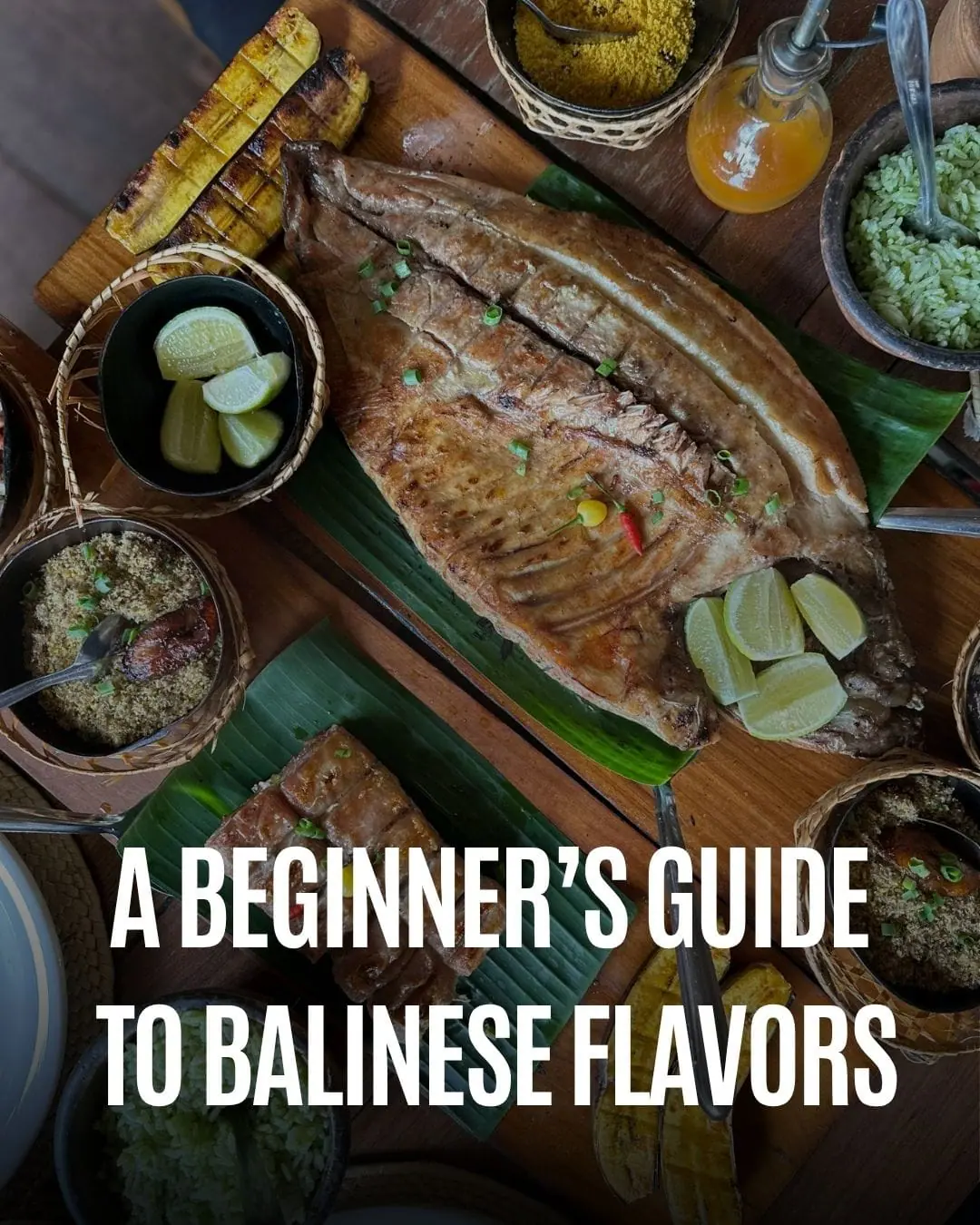
![10 Must-Try Balinese Foods: A Beginner's Food Guide (2025)]()
10 Must-Try Balinese Foods: A Beginner's Food Guide (2025)




Where to Actually Eat It — A Quick Hotspot Map (by city)
Hours can change—aim early, double-check on the day.
Hanoi (Vietnam)
- Phở Gia Truyền (Bát Đàn) — 49 Bát Đàn, Hoàn Kiếm. Expect a queue; early-bird staple.
- Bánh Mì 25 (Old Quarter) — 25 Hàng Cá, Hoàn Kiếm. 07:00–21:00 daily; easy English ordering.
How to order: say “ốp la” (fried egg), add pâté if you like. Cash is faster.
Bangkok (Thailand)
- Jok Prince (Bang Rak) — 06:00–13:00 & 15:00–23:00; arrive before 9 a.m.
- Or Tor Kor Market (Chatuchak) — ~06:00–20:00; steps from MRT Kamphaeng Phet.
Pro tip: the national anthem plays at 8:00 a.m. in many public areas—pause like locals.
Ubud (Bali, Indonesia)
- Ubud Morning & Art Market (Pasar Ubud) — food from ~05:00; crafts take over around 08:00–10:00.
Yangon (Myanmar)
- Myaung Mya Daw Cho — classic mohinga; go ~06:00–09:00.
- Rangoon Tea House — Golden Valley — breakfast staples; usually 07:00–22:00.
FAQs: Smart Answers for Hungry Mornings
Is breakfast mostly savory? Largely yes—soups, rice, noodles—but sweet options exist (kaya toast, banana pancakes).
What time do morning markets open? Many fire up by 5:30–6:00 a.m.; in Ubud, food action can start even earlier, with craft stalls taking over later in the morning.
How do I order iced drinks safely? Ask for purified ice; look for clear rounded cubes with a hole.
Cash or QR? Cash is king at tiny stalls; bigger markets may take QR or e-wallets.
Vegetarian options? Congee with toppings, roti canai with dhal, kaya toast, nasi lemak minus anchovies, and lots of fruit (peeled in front of you).
Conclusion
Breakfast in Southeast Asia is part fuel, part social hour, part cultural crash course. From roosters to anthems, from lime-sparked mohinga to congee’s quiet comfort, the region’s mornings are both familiar and brand new—every single day. Start early, sit where locals sit, and let the first bite decide the plan.
Related posts:
![Traveler holding a phone with a generic map in a Southeast Asian night market, lanterns and scooters blurred in the background.]()
Best Travel Apps for Southeast Asia: Must-Have Tools for 2025
![Is Cuba Safe to Travel to in 2025? The Unfiltered Truth You Need to Know]()
Is Cuba Safe to Travel to in 2025? The Unfiltered Truth You Need to Know
![My Hunt for the Best Night Market Food in Southeast Asia: A First-Hand Guide]()
My Hunt for the Best Night Market Food in Southeast Asia: A First-Hand Guide
![10 Must-Try Balinese Foods: A Beginner's Food Guide (2025)]()
10 Must-Try Balinese Foods: A Beginner's Food Guide (2025)
![Cuba Packing List (2025): Your Essential Guide]()
Cuba Packing List (2025): Your Essential Guide
Leave a Reply