If you’re anything like me, the idea of Southeast Asia conjures images of vibrant, chaotic, and delicious-smelling night markets. It’s a scene I was fascinated by, with some markets hosting tens of thousands of stalls. I had to see it—and taste it—for myself. This isn’t just another list; this is the story of my journey through Thailand’s legendary markets, a quest for incredible food, unexpected adventures, and the perfect postcard.
More Than Just Food: Why SEA Night Markets Are an Unforgettable Experience
Let’s be clear: you go to a night market for the food, but you leave with so much more. It’s a full-sensory assault in the best way possible. The air is thick with the smoke of grilled meats, the sweet scent of mango sticky rice, and the chatter of a hundred different conversations.
What truly amazed me was the scale of the operation. Standing in a massive market, it just blows your mind to think that none of it was there that morning. Every single one of those vendors spent their day setting up their stall for a few hours of business. It’s a testament to the incredible work ethic and entrepreneurial spirit you find across the region. For me, the experience was also driven by a personal mission: my dad had requested a postcard from every country, so my hunt for food was also a hunt for the perfect souvenir.
Chiang Mai Sunday Night Market: A Perfect Start
My adventure began at the Sunday Night Market in Chiang Mai, the biggest one in the city. I learned quickly that timing is everything. We made it to the market right at 5 PM when it opened, and it was already packed with people. The main road stretches on and on, flanked by an endless sea of stalls selling everything from intricate handicrafts to, of course, amazing food.
First Impressions: Arriving at 5 PM to a Packed Market
The energy is immediate. You’re swept up in a current of locals and tourists, all navigating the narrow lanes. Just a couple hundred feet in, we spotted a dedicated food section with tables and chairs—a perfect base camp. We were hungry, so we dove right in.
Must-Try Foods: From Colorful Buns to Freshly Fried Samosas
My first bite was a revelation. We found a stall selling these incredibly vibrant steamed buns. What a fun idea to dye the buns—you’re just going to grab people’s attention! We got a chicken one and a purple sweet potato one. The sweet potato was surprisingly savory, but the chicken was the real winner.
Next up, samosas. I watched the vendor grab them off the front of her cart and fry them to order. They were handed to me piping hot and fresh, and my mouth was watering. I got two chicken curry and two mushroom, and they were phenomenal—crispy on the outside with a rich, flavorful filling of potatoes, carrots, and chicken.
The Verdict: Is Bigger Always Better in Chiang Mai?
The Chiang Mai market is immense. After three and a half hours, we had barely scratched the surface, walking through less than half of it. It’s an incredible experience, and the food prices are mostly fantastic. It’s the perfect introduction to Thai market culture.
The Koh Tao “Night Market”: An Unexpected Twist
After Chiang Mai, we headed to the island of Koh Tao. Online research gave us conflicting information about a night market there. Some blogs said yes, others no. We decided to investigate.
Setting the Record Straight: Is There a Real Night Market on Koh Tao?
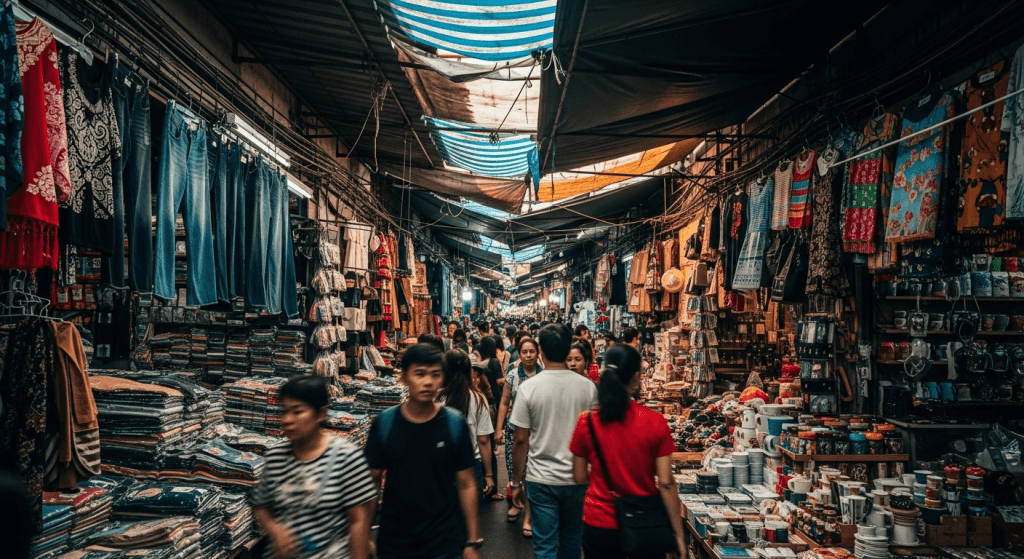
Here’s the definitive answer: no, Koh Tao does not have a traditional night market with temporary stalls. When we asked our hotel receptionist, they pointed us toward Sairee Beach, which they described as a small street. What we found was more of an established walking street with permanent brick-and-mortar stores, bars, and restaurants.
It’s very walkable and has a great vibe, but it’s not the pop-up market experience.
Finding Amazing Food and a Unique Souvenir Anyway
While the food carts were few and far between, we still had a fantastic meal. My favorite Thai dish has quickly become Pad Krapow (spicy Thai basil stir-fry), and I ate it literally every day. If you like spicy food, you have to give it a try.
And the postcard mission? It took an amazing turn. We found a small shop where you could paint your own postcard! We’re not artists, but it was incredibly fun and resulted in a souvenir that was far more memorable than anything I could have bought. That handmade postcard became the winner of the trip.
Related posts:
![The Ultimate Southeast Asia Travel Guide: A First-Hand Itinerary for Backpackers]()
The Ultimate Southeast Asia Travel Guide: A First-Hand Itinerary for Backpackers
![Overhead shot of a Northern Thai (Lanna) shared meal in Chiang Mai—sticky rice bowls, nam prik dips and herb-packed curries.]()
Northern Thai Food Guide: Must-Try Dishes in Chiang Mai
![Lantern-lit café along Hanoi’s Train Street, with railway tracks running beside wooden balconies.]()
10 Hidden Gems in Southeast Asia (2025 Guide)
![Bangkok street food stalls at a Southeast Asia night market, travelers buying local dishes under white tents.]()
Avoid Tourist Traps & Scams in Southeast Asia (2025 Guide)
![Overhead photo of Southeast Asian desserts—mango sticky rice, cendol, halo-halo, and khanom krok—styled on banana leaves and a rattan tray with natural warm light.]()
Southeast Asian Desserts: Must-Try Sweets by Country
![The Real Best Time to Visit Southeast Asia: A Traveler's Guide]()
The Real Best Time to Visit Southeast Asia: A Traveler's Guide

Chatuchak Weekend Market, Bangkok: The Ultimate Maze
Our final stop was the big one: Chatuchak in Bangkok, said to be the largest weekend market in the world with over 15,000 stalls. The train drops you right into the heart of it, and from there, you’re on your own.
Navigating the 15,000 Stalls of a World-Famous Market
First impression? This place feels like a maze. It doesn’t feel massive in an open-air way; instead, it has tight corridors that seemingly go on forever. Every few feet, the entire scene changes—from vintage clothing to handmade soaps to exotic pets. It’s overwhelming but exhilarating. While here, we had two goals: find a postcard (which proved impossible to top the Koh Tao one) and try durian.
The Durian Challenge: My Love-Hate Relationship with the King of Fruits
Ah, durian. You can smell its pungent, garlicky-oniony aroma from a distance. We bought a small piece and prepared for the worst. The texture is soft, almost mushy, and the flavor is… complicated.
It’s a pungent, savory-sweet experience. Honestly, as I started chewing, it grew on me. It’s like those sour patch kids: first it’s sour, then it’s sweet. You have to tough it through the first half. I’ve never been so torn between wanting to throw up and liking something at the same time. My advice? You should try it. Just once.
Facing My Fears: What It’s Really Like to Eat a Scorpion
After the durian, eating a scorpion felt like the next logical step.
It seemed like a fun idea at the time, but holding the skewer, I was nervous. The first bite was… crunchy. Very hard.
The flavor is actually pretty good, almost like a salty, smoky jerky. But the texture is the real challenge. I felt like I was eating a crab claw—a pretty sturdy exoskeleton that’s tough to get through. You can feel its legs. It’s a creepy thing to look at and an even weirder thing to chew. It was a wild experience, and now I can say I’ve done it.
While my adventures in Chatuchak were unforgettable, they only scratch the surface of what this incredible city has to offer. If you want to dive even deeper into the local dishes beyond the markets, be sure to check out my ultimate Bangkok food guide.
My Top Tips for Your Southeast Asia Night Market Adventure
- Go Early and Hungry: Arrive when the market opens to beat the worst of the crowds, and don’t eat beforehand. You’ll want to sample everything.
- Do a Lap First: Before you start buying, walk through the main food area to see all your options. Otherwise, you’ll fill up at the first stall you see.
- Bring Cash: Most vendors only accept cash, so come prepared with small bills.
- Be Adventurous: Don’t just stick to Pad Thai. Try the thing you can’t identify. Eat the scorpion. You might be pleasantly surprised.
- It’s Not Just About Food: Look for local crafts, listen to the live music, and soak in the atmosphere. The magic is in the entire experience.
Frequently Asked Questions About Night Market Food
Which country in Southeast Asia has the best street food?
This is a heated debate! Thailand is world-famous for its balance of sweet, sour, salty, and spicy. Vietnam is beloved for fresh herbs and dishes like Pho and Banh Mi. Malaysia offers a rich fusion of Malay, Chinese, and Indian flavors. Honestly, you can’t go wrong, but for sheer variety and energy at its night markets, Thailand is a fantastic place to start.
Is it safe to eat at the night markets?
Absolutely. The best rule of thumb is to eat at busy stalls with high turnover, as this means the food is fresh. Watch them cook it in front of you if you can. I ate countless meals from street vendors and never had an issue. Use your common sense, and you’ll be fine.
How much money should I bring to a night market?
One of the best things about night markets is how affordable they are. Most individual dishes will cost between $1-$3 USD. You can have a feast for under $10-$15 per person. Bring more if you plan on shopping for souvenirs, but for food, a little goes a long way.
Related posts:
![The Ultimate Southeast Asia Travel Guide: A First-Hand Itinerary for Backpackers]()
The Ultimate Southeast Asia Travel Guide: A First-Hand Itinerary for Backpackers
![Lantern-lit café along Hanoi’s Train Street, with railway tracks running beside wooden balconies.]()
10 Hidden Gems in Southeast Asia (2025 Guide)
![Overhead of a Southeast Asian street-food breakfast spread—fried fish, papaya salad, grilled chicken, soups and sauces on a red table.]()
Southeast Asia Breakfast Guide: 15 Dishes + Map & Tips
![Overhead shot of a Northern Thai (Lanna) shared meal in Chiang Mai—sticky rice bowls, nam prik dips and herb-packed curries.]()
Northern Thai Food Guide: Must-Try Dishes in Chiang Mai
![Bangkok street food stalls at a Southeast Asia night market, travelers buying local dishes under white tents.]()
Avoid Tourist Traps & Scams in Southeast Asia (2025 Guide)
![Traveler holding a phone with a generic map in a Southeast Asian night market, lanterns and scooters blurred in the background.]()
Best Travel Apps for Southeast Asia: Must-Have Tools for 2025
![The Real Best Time to Visit Southeast Asia: A Traveler's Guide]()
The Real Best Time to Visit Southeast Asia: A Traveler's Guide
![10 Must-Try Balinese Foods: A Beginner's Food Guide (2025)]()
10 Must-Try Balinese Foods: A Beginner's Food Guide (2025)

Leave a Reply